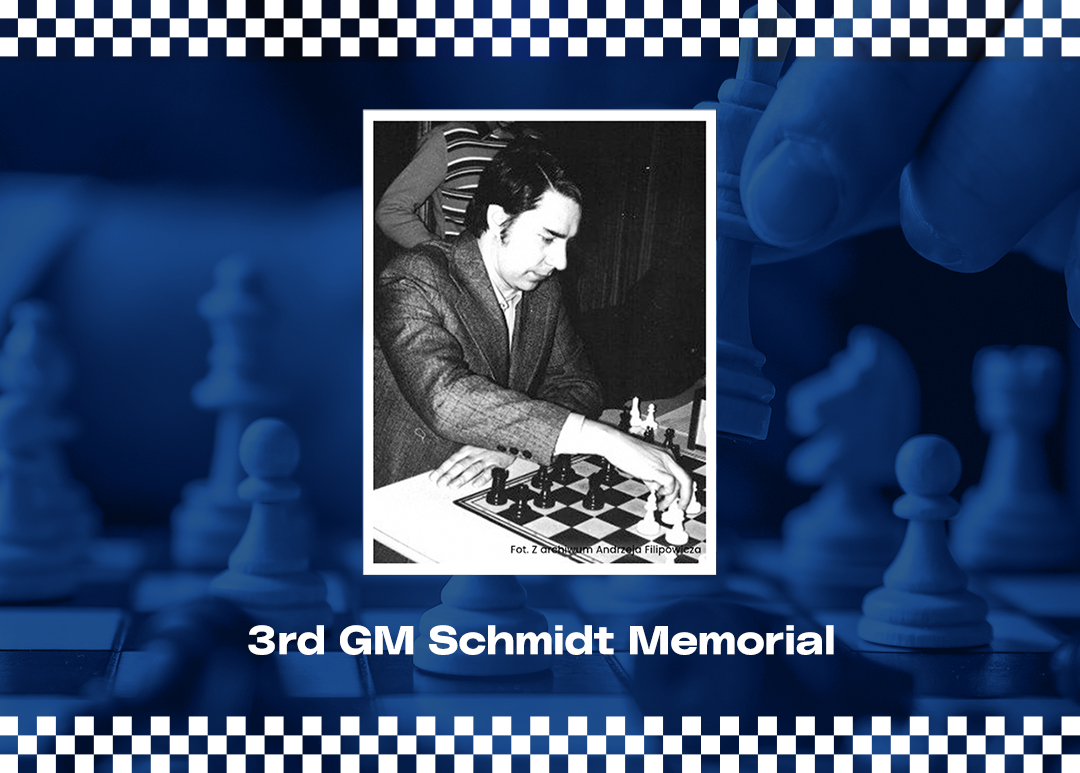
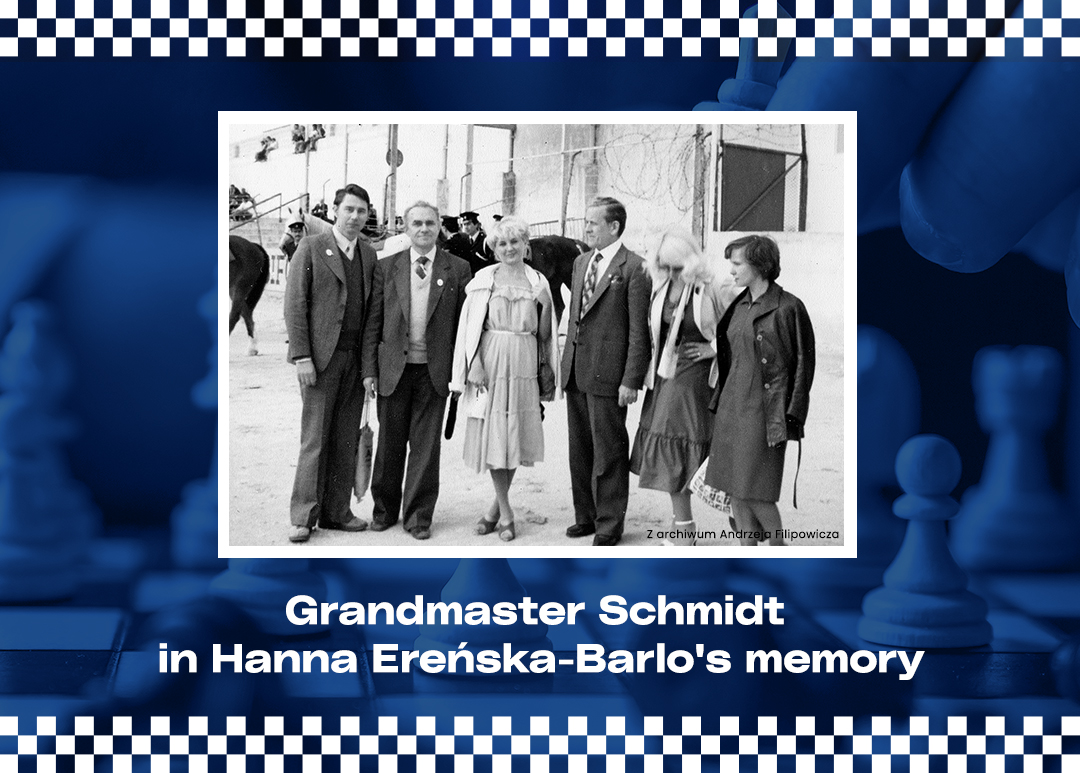
Grandmaster Schmidt in Hanna Ereńska-Barlo’s memory.
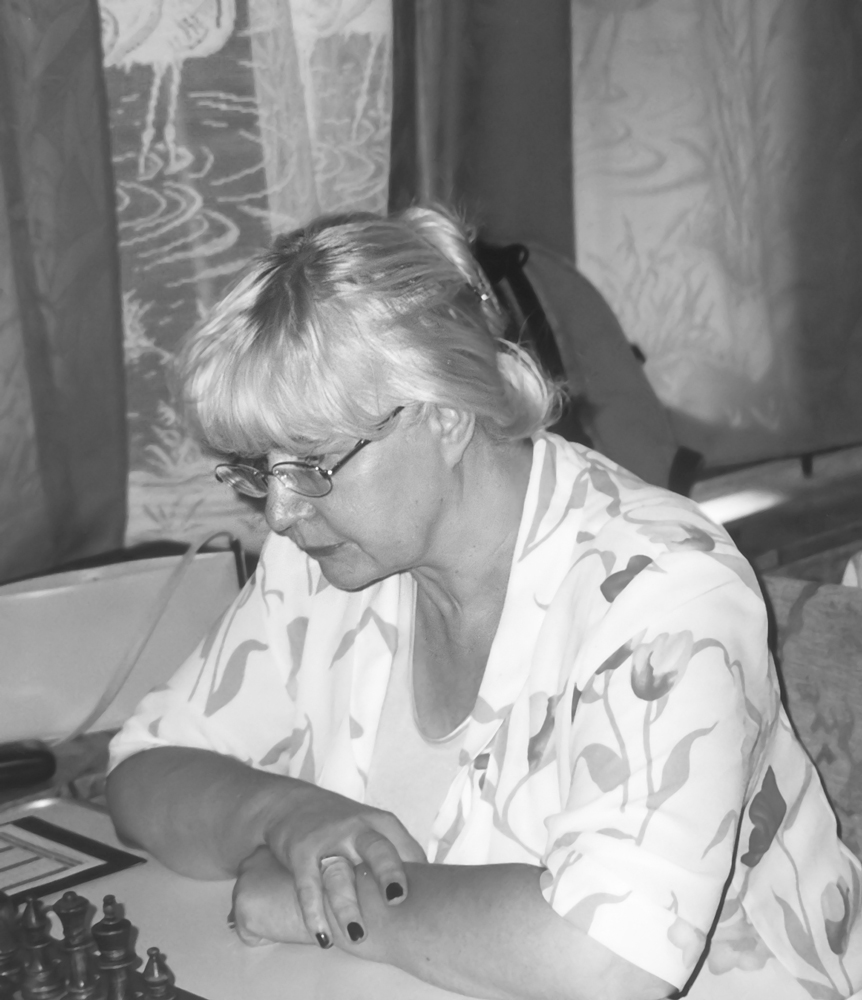
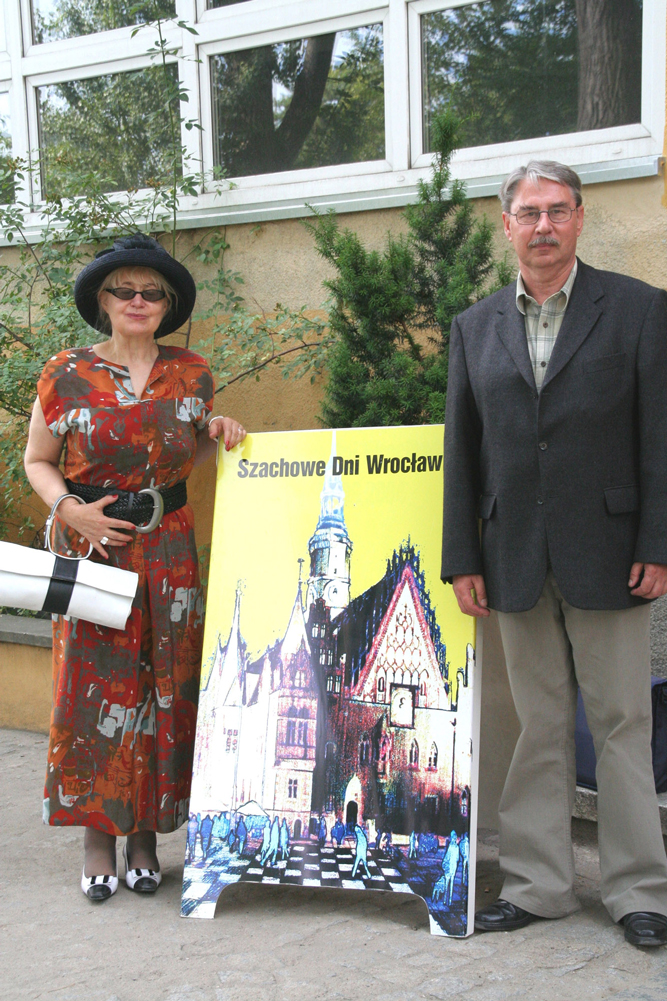
They met as children at a youth school tournament in Poznań. For decades afterward, they continued to cross paths at competitions, their club, the Polish national team, and their work as coaches. Hanna Ereńska-Barlo has no doubt that without Włodzimierz Schmidt’s help, her career would have taken a completely different course.
It was 1956. At that time, Hania Ereńska, barely 10 years old, competed in the girls’ category, while Włodzimierz Schmidt, 3 years older than her, competed among the boys. Both won their respective tournaments. “That’s when our friendship began, which for decades afterward was tied to chess, competing together, training, and coaching,” recalls Hanna Ereńska-Barlo.
Schmidt was self-taught. He attended classes led by Karol Stefański, the then-Champion of Greater Poland, for only a short time. Back then, there was no access to computers, online game databases, or programs for analyzing positions. “He wrote everything down by hand. He filled thick notebooks with variations, comments, and analyses. He had his own, very organized notation system. The main variation was listed in the header, with various branches going down. He built up almost all of his vast knowledge on his own,” says the grandmaster.
This knowledge also became the foundation of her career. For many years, Schmidt was Hanna’s, at that time known as Ereńska-Radzewska, most important personal coach. He prepared her for the Polish Championships, international tournaments, and chess Olympiads. “I absolutely owe it to him that I became the first Polish female grandmaster. Włodek shaped my game and prepared me for the most important competitions. Without him, my career would have turned out completely differently,” she emphasizes.
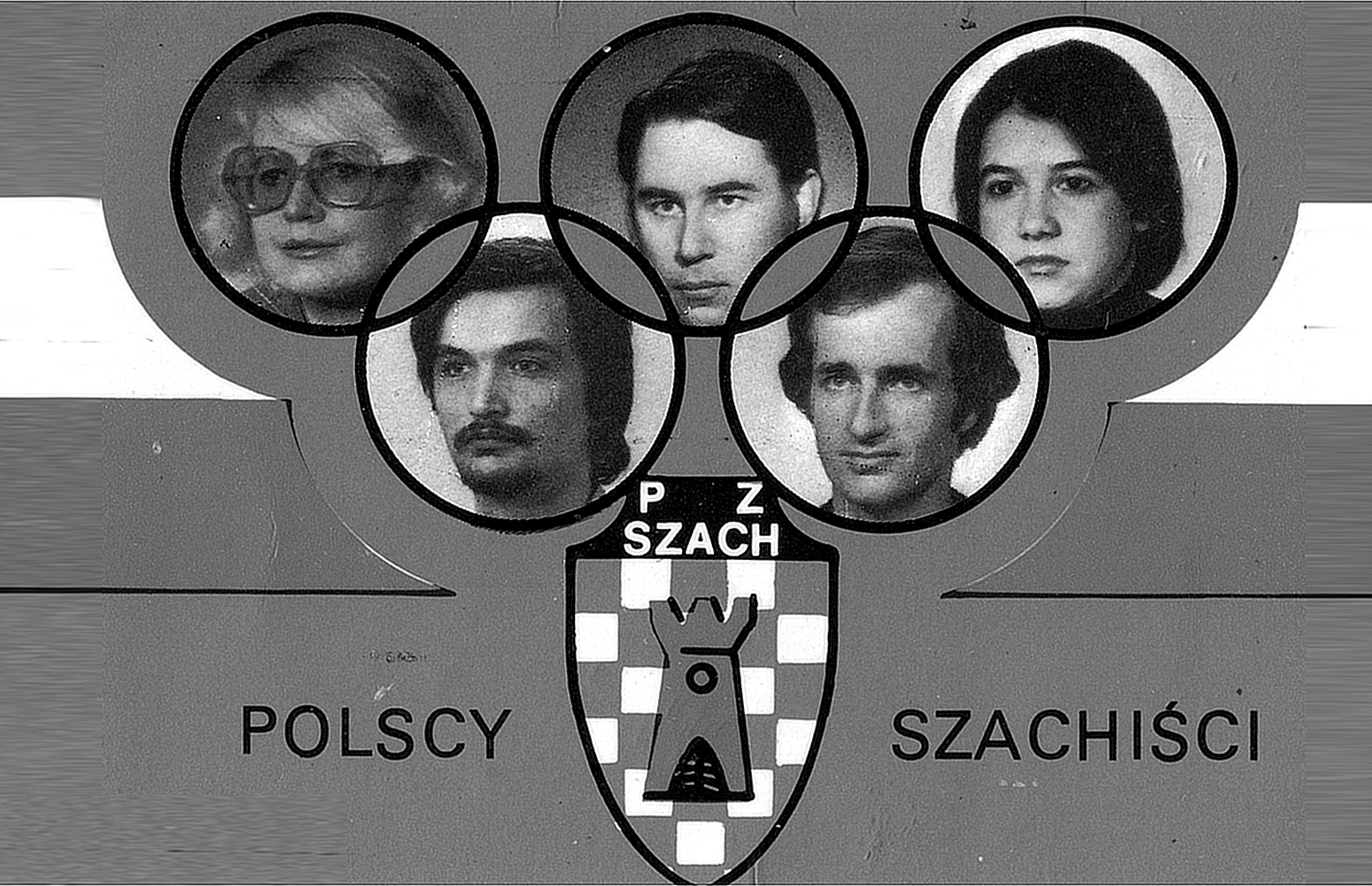
There was a time when their careers developed pretty much side by side. At that time, they were both playing for Pocztowiec Poznań, with which they won bronze medals in the team competition in 1969 and 1971. In 1970, they both won bronze medals at the Polish Individual Championships, and a year later they became national champions—Schmidt in the men’s tournament and Ereńska-Barlo in the women’s competition. In the years that followed, they represented Poland at the Olympics. “Włodek always made time for me, even when he was preparing for his matches. After breakfast, he’d have a cup of coffee, go through his own prep, and then I could come to him with my own problems. He’d put aside some of his work and help me get ready to play,” she says.
Schmidt was also eager to share his knowledge. He shared his analyses not only with Hanna Ereńska-Barlo, but also with other players. He even went so far as to lend his notes to GM Aleksander Sznapik, a four-time Polish Champion and nine-time participant in the Chess Olympiads, who was at the time one of his main Polish rivals. “In chess, one’s own analyses and openings are usually a closely guarded secret. He, however, was able to share them even with a competitor. This shows his generosity and dedication to chess knowledge,” she emphasizes.
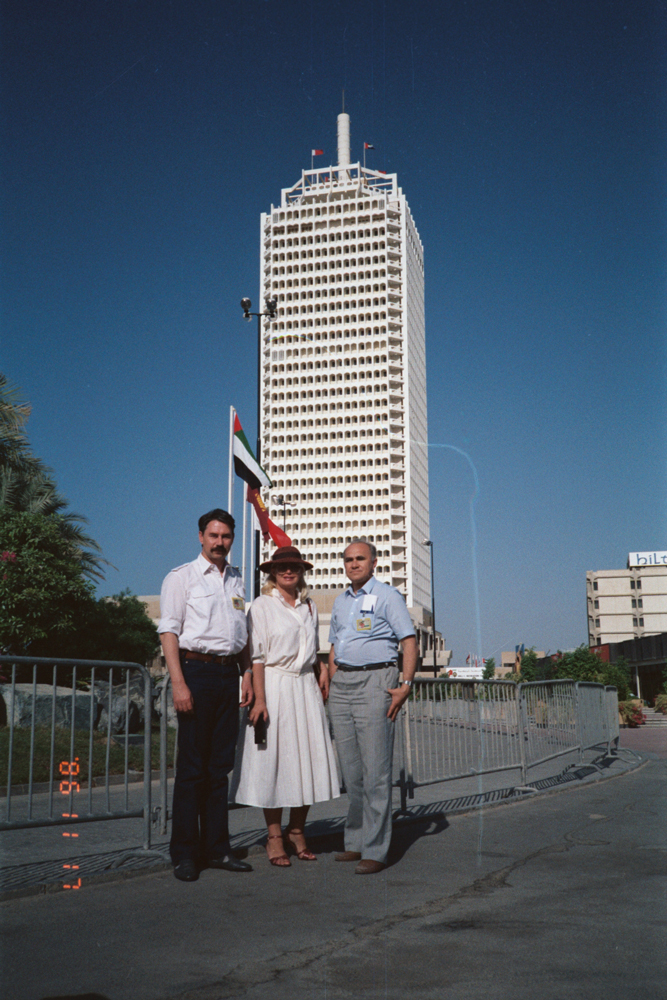
At the same time, he wasn’t a monument to himself. He had a sense of humor and could even make fun of himself. Even though he had earned a degree in electrical engineering from the Poznań University of Technology, he claimed he could only change a light bulb. “That wasn’t entirely true. When we visited distant countries like Argentina, the Philippines, or the United Arab Emirates, he had no trouble adapting the local outlets to my travel iron,” recalls Hanna Ereńska-Barlo.
As a player, Schmidt combined debut readiness, a deep understanding of the game, tactical skills, and exceptional intuition. He won seven Polish championships in classical chess and sixteen in blitz chess. “It’s hard to pinpoint his single biggest strength. You could say he didn’t have any obvious weaknesses. He was a perfect player; perhaps only his pragmatism sometimes stopped him from taking risks,” says Ereńska-Barlo.
Schmidt remained active even after his competitive career ended. He analyzed games, kept up with contemporary theory, helped younger players, and, until his final years, took an interest in the games of the top Polish chess players.
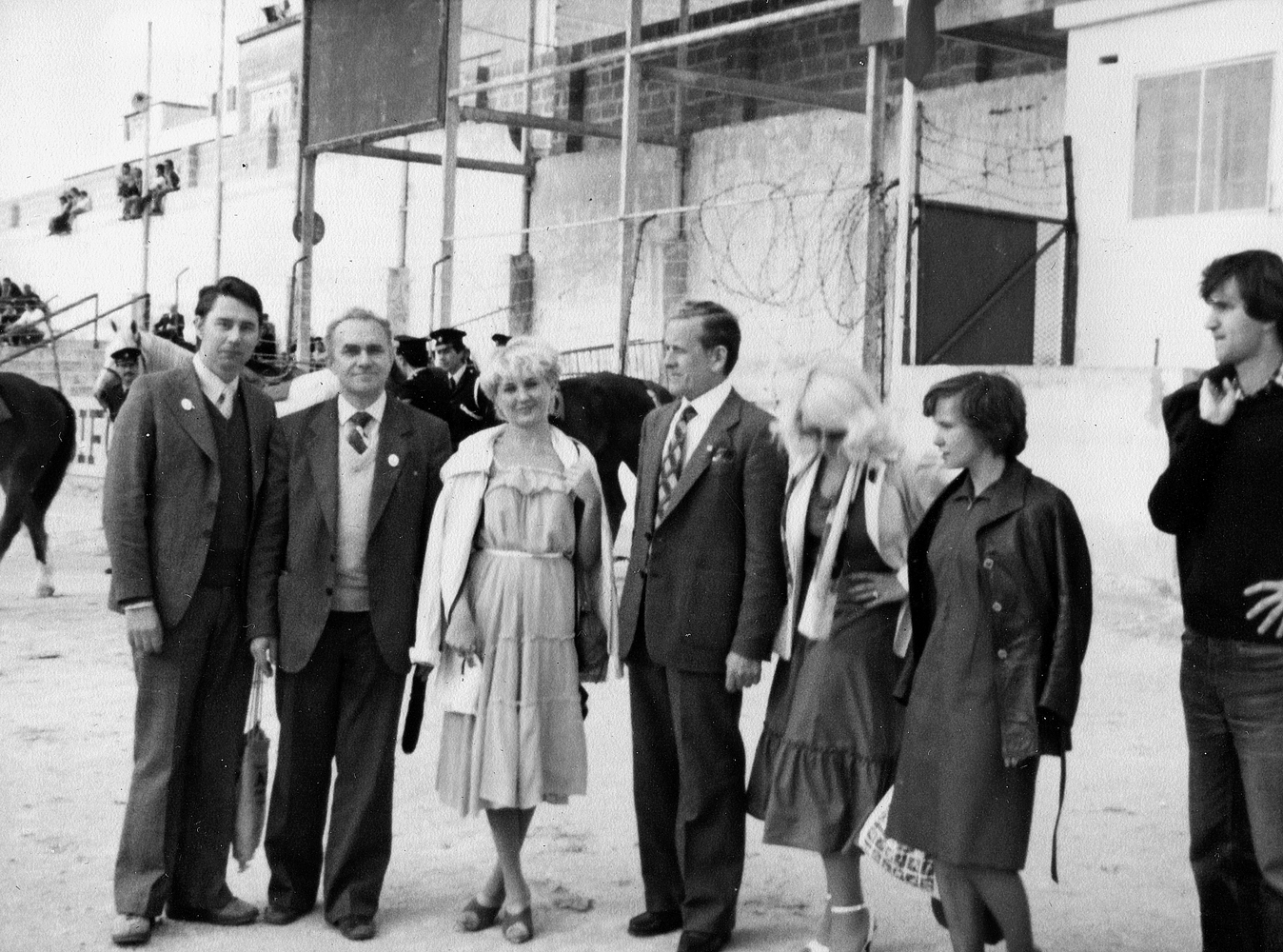
Photographs from the archives of Andrzej Filipowicz